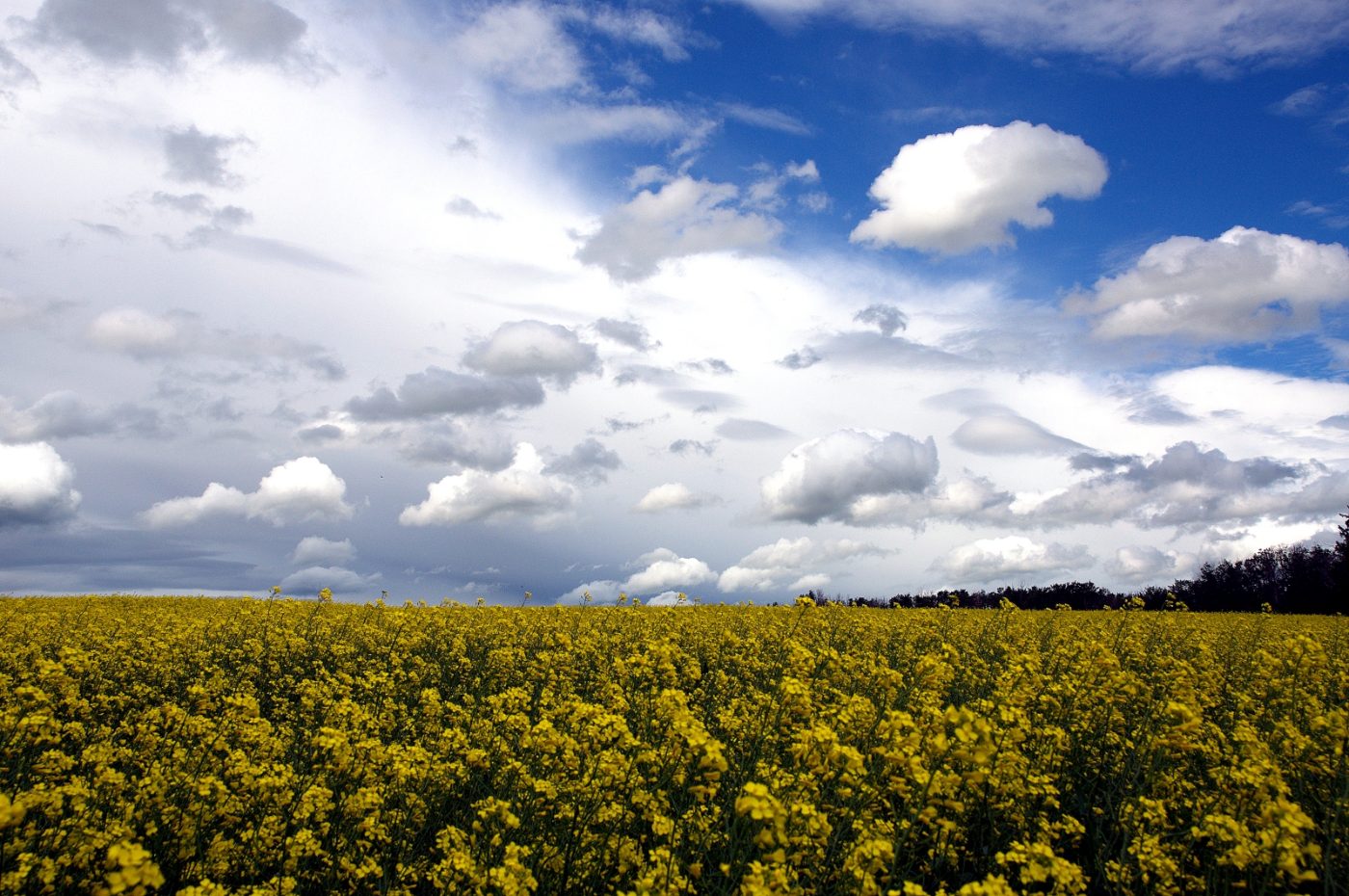
Look at any one piece of farm country around Lethbridge, a pivot, a feedlot, a beet pile, and it’s impressive enough. Put them all together and you see why agriculture is the engine of this region.
The big numbers
- Agriculture and the businesses tied to it make up nearly 20% of the Lethbridge region’s economy, according to Economic Development Lethbridge, and an estimated half of Lethbridge’s workforce is linked to agriculture directly or indirectly.
- The region has nearly 1 million irrigated acres and grows more than 65 specialty crops.
- Lethbridge County’s farms brought in about $2.2 billion a year in gross farm receipts, more than double the next municipality in Alberta.
- Irrigation alone adds about $5.4 billion a year to Alberta’s economy, with about 46,000 jobs.
- Across Alberta, farm cash receipts were about $24.5 billion in 2025 (preliminary).
It’s a chain
What makes southern Alberta special is how the pieces feed each other:
- Irrigation water grows barley, corn silage and alfalfa.
- Those crops feed the cattle in the feedlots and the cows in the dairies.
- The cattle go to beef plants close by. The milk goes to dairy plants.
- Manure goes back on the fields as fertilizer.
- Potatoes go to fry and chip plants, sugar beets to the Taber factory, canola to crushing plants, and the leftovers often go back to the livestock as feed.
Each step creates jobs: truckers, mechanics, veterinarians, agronomists, equipment dealers, seed companies, researchers, food scientists and plant workers. Southern Alberta’s economic development groups have even branded the region Canada’s Premier Food Corridor.
Research close to home
Lethbridge is also one of Canada’s agricultural research centres. Agriculture and Agri-Food Canada’s Lethbridge Research and Development Centre, the University of Lethbridge, Lethbridge Polytechnic and farmer-led groups such as Farming Smarter all work on better crops, better water use and better livestock care.
The weather connection
All of it depends on the weather: chinooks and drought, hail and early frost, wind that dries the soil and snowpack in the mountains that fills the reservoirs. It’s one reason a weather site in Lethbridge spends so much time thinking about farming, and why we keep an eye on how well the forecasts do on our Forecast Scorecard.
Read the series
- Farm Country: What’s Growing Around Lethbridge
- More Farm Country posts: irrigation, feedlots, dairy, hogs, poultry, bison, sugar beets and potatoes, and harvest season, all in our Farm Country category.
Sources: Economic Development Lethbridge (2024); Western Producer (2020); Alberta Farmer Express (2022); Statistics Canada (2026); MD of Taber (Canada’s Premier Food Corridor).
Top photo: Darren Kirby, CC BY-SA 2.0.