How farming drives southern Alberta’s economy
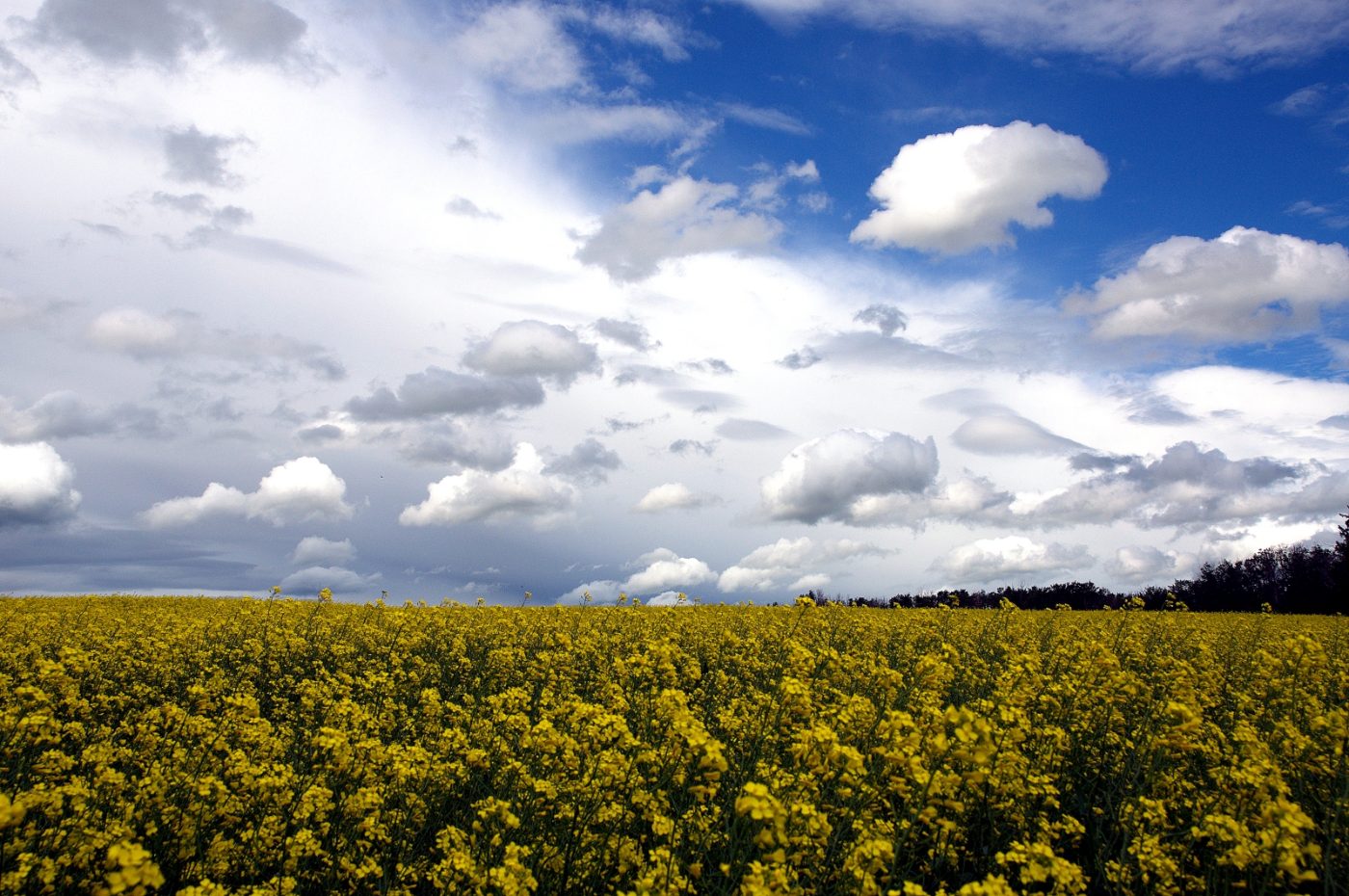
Crops, irrigation, feedlots, dairies, barns and the factories that process it all: put them together and agriculture is the engine of the Lethbridge region. Here’s the big picture.
Crops, irrigation, livestock and harvest around Lethbridge and southern Alberta.
Crops, irrigation, feedlots, dairies, barns and the factories that process it all: put them together and agriculture is the engine of the Lethbridge region. Here’s the big picture.
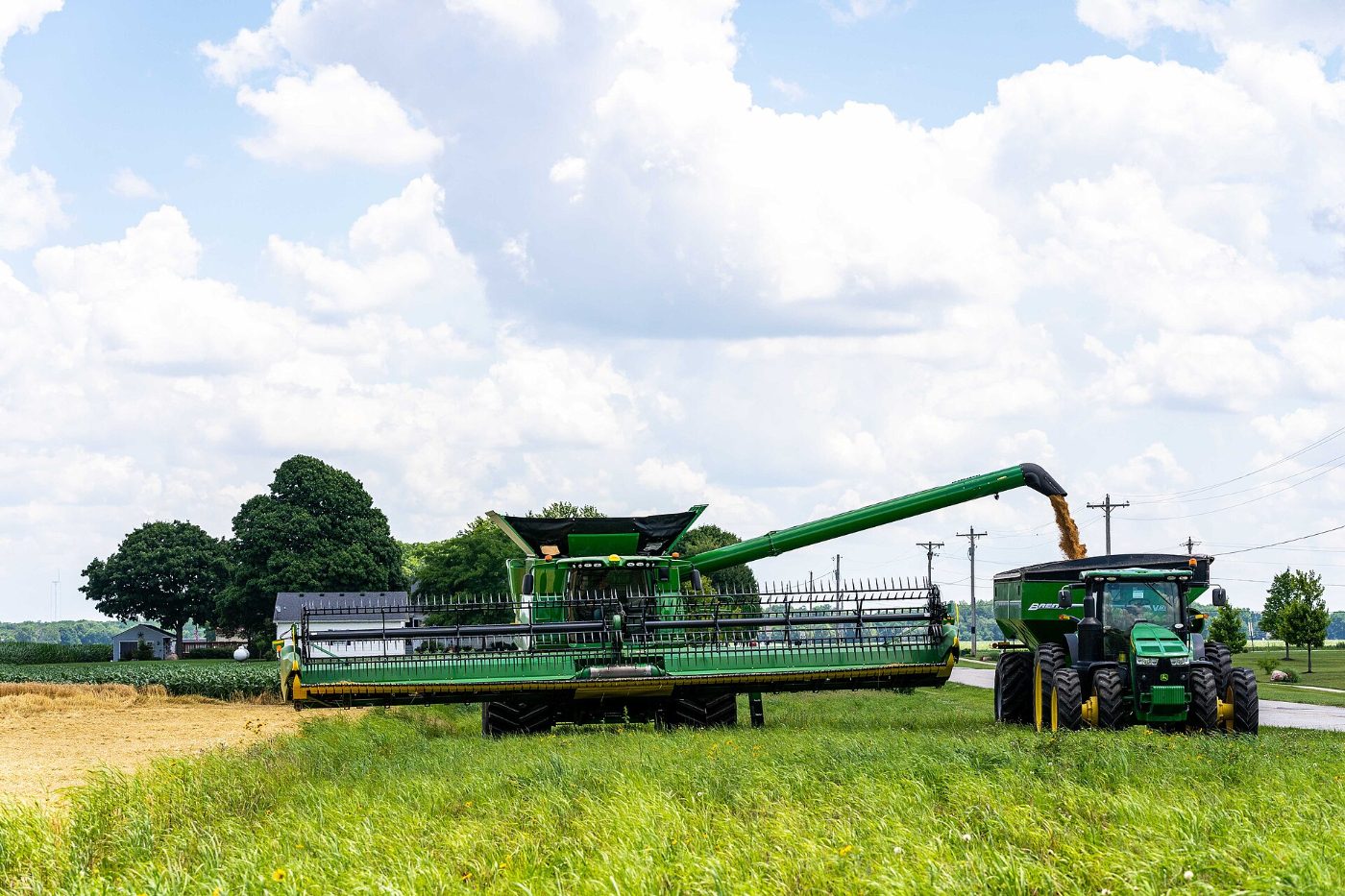
From August to November, the biggest machines in southern Alberta are on the move. Here’s what’s being harvested, who the custom crews are, and how to share the road safely.
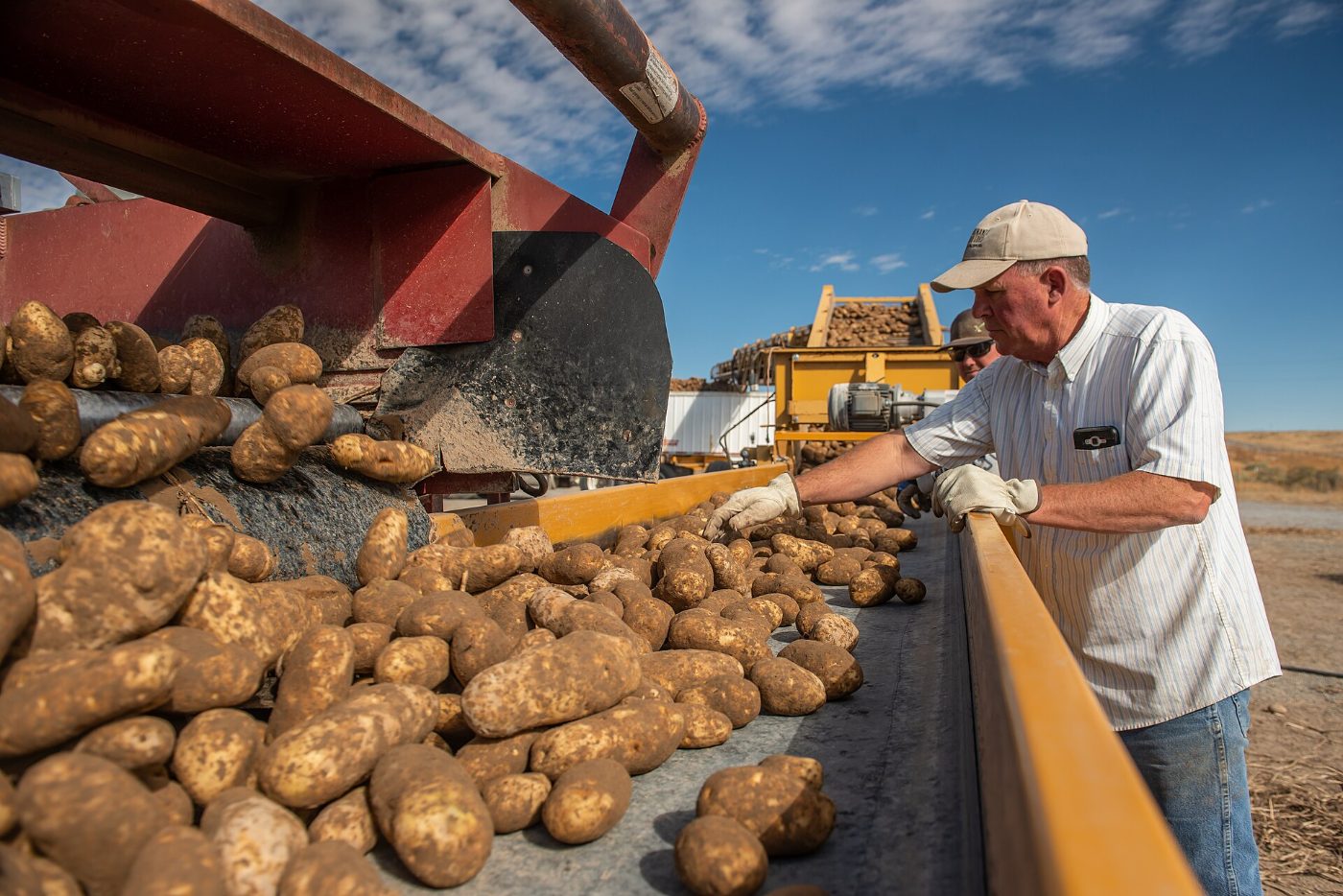
Canada’s only sugar beet factory is in Taber, and Alberta now grows more potatoes than any other province. Both crops depend on irrigation and on the processing plants close to home.
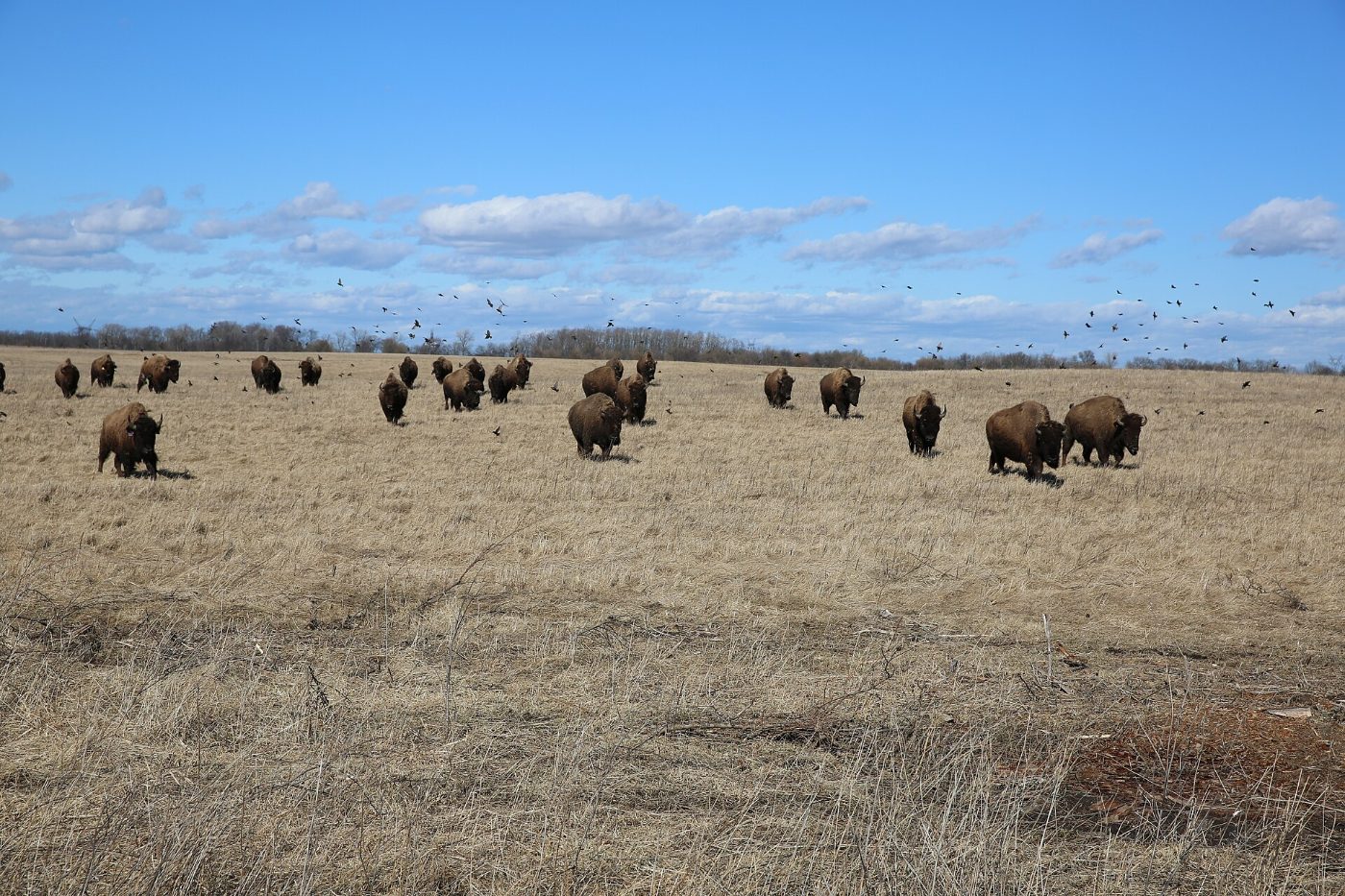
Just west of Lethbridge you can often spot a bison herd grazing. Alberta now has more farmed bison than any other province, on the same grasslands where millions once roamed.
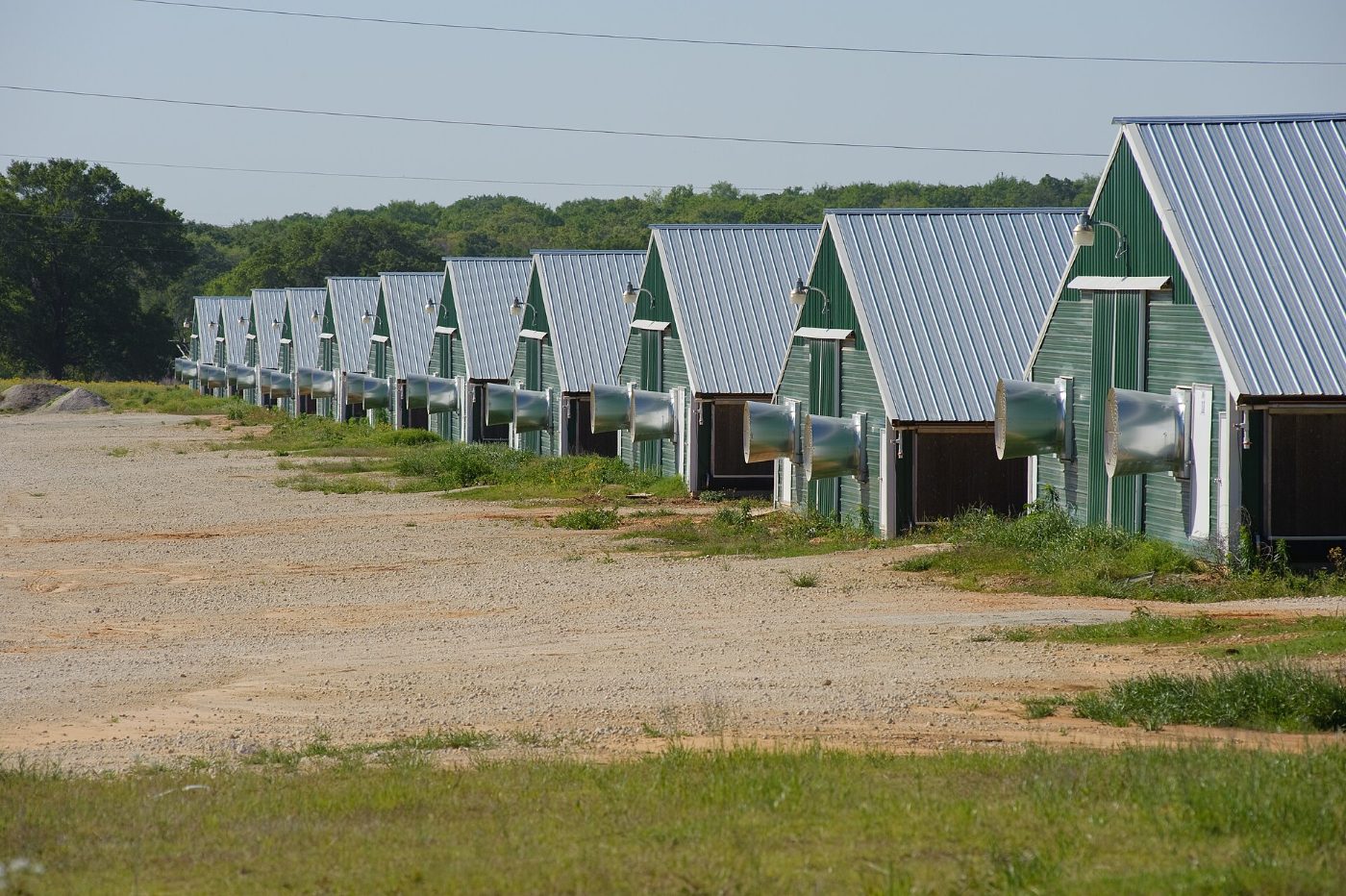
Alberta has nearly 15 million chickens and hens, raised in barns you’ve probably driven past without noticing. Here’s how egg, chicken and turkey farms work and why they’re supply managed.
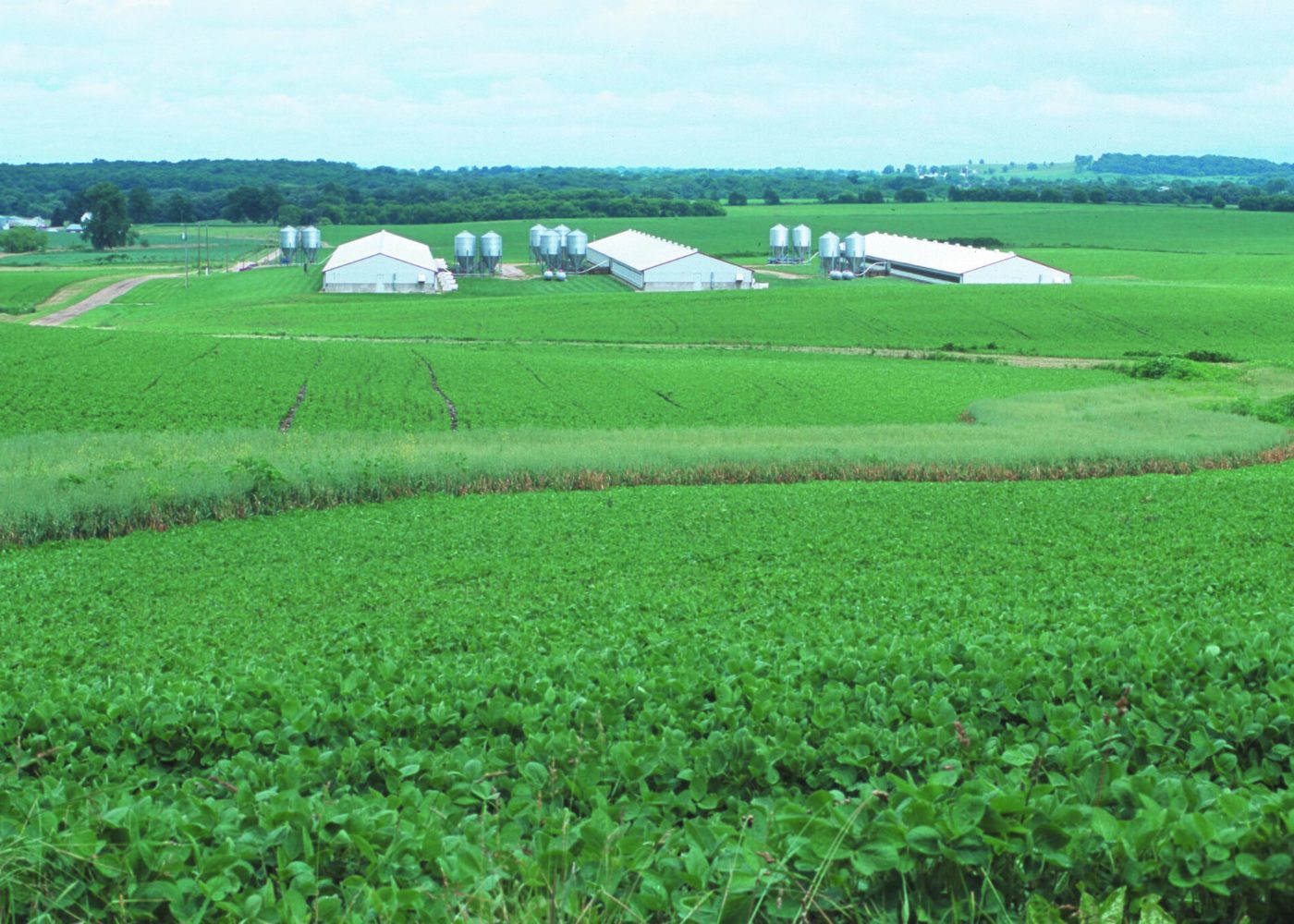
Alberta raises about 1.6 million pigs, but you’ll rarely see one from the road. Here’s what goes on inside those long, low barns, and why visitors can’t just drop in.
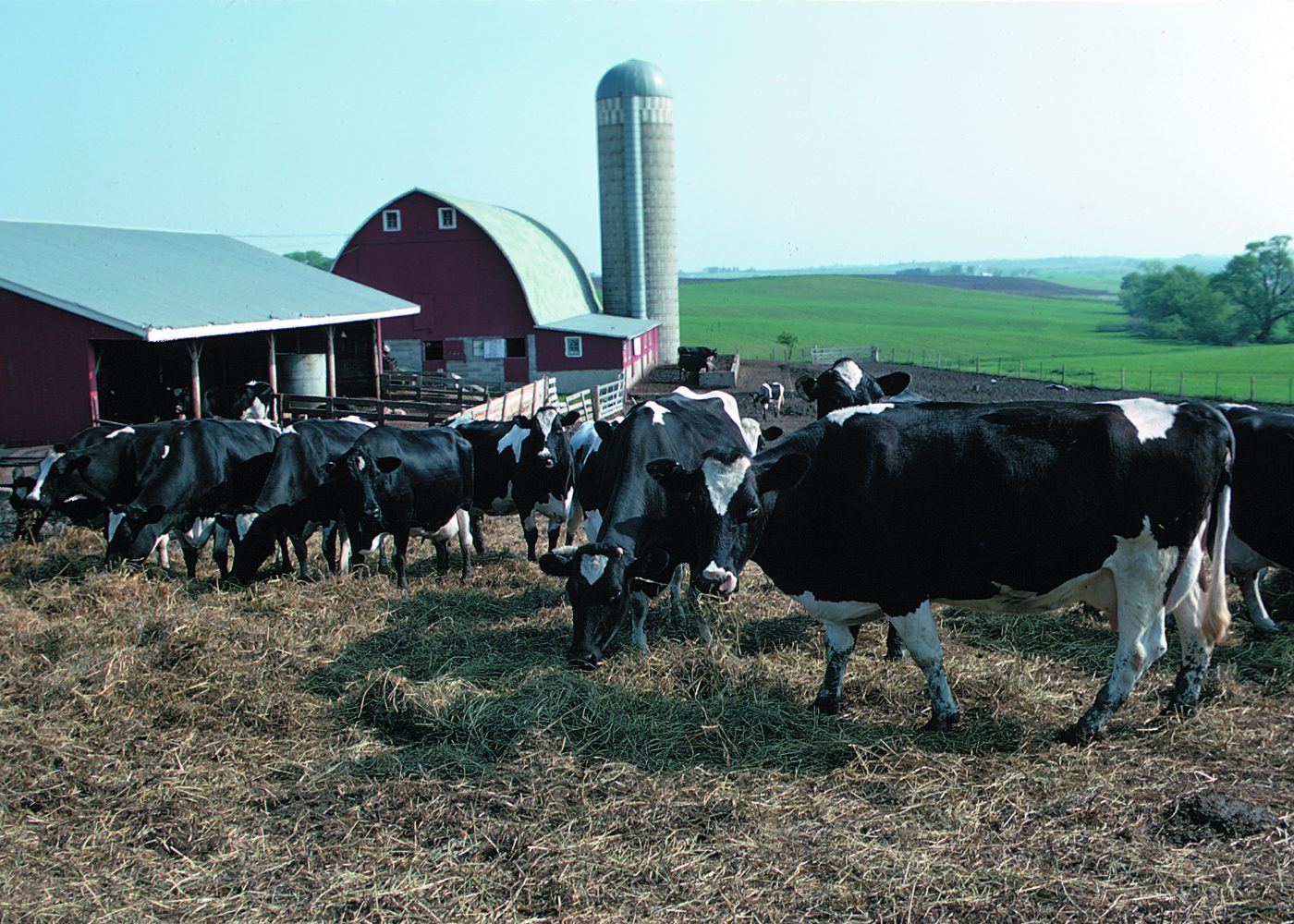
Lethbridge County is home to more than 9,000 dairy cows. Here’s how an Alberta dairy works, why so many are here, and what supply management means for the milk in your fridge.
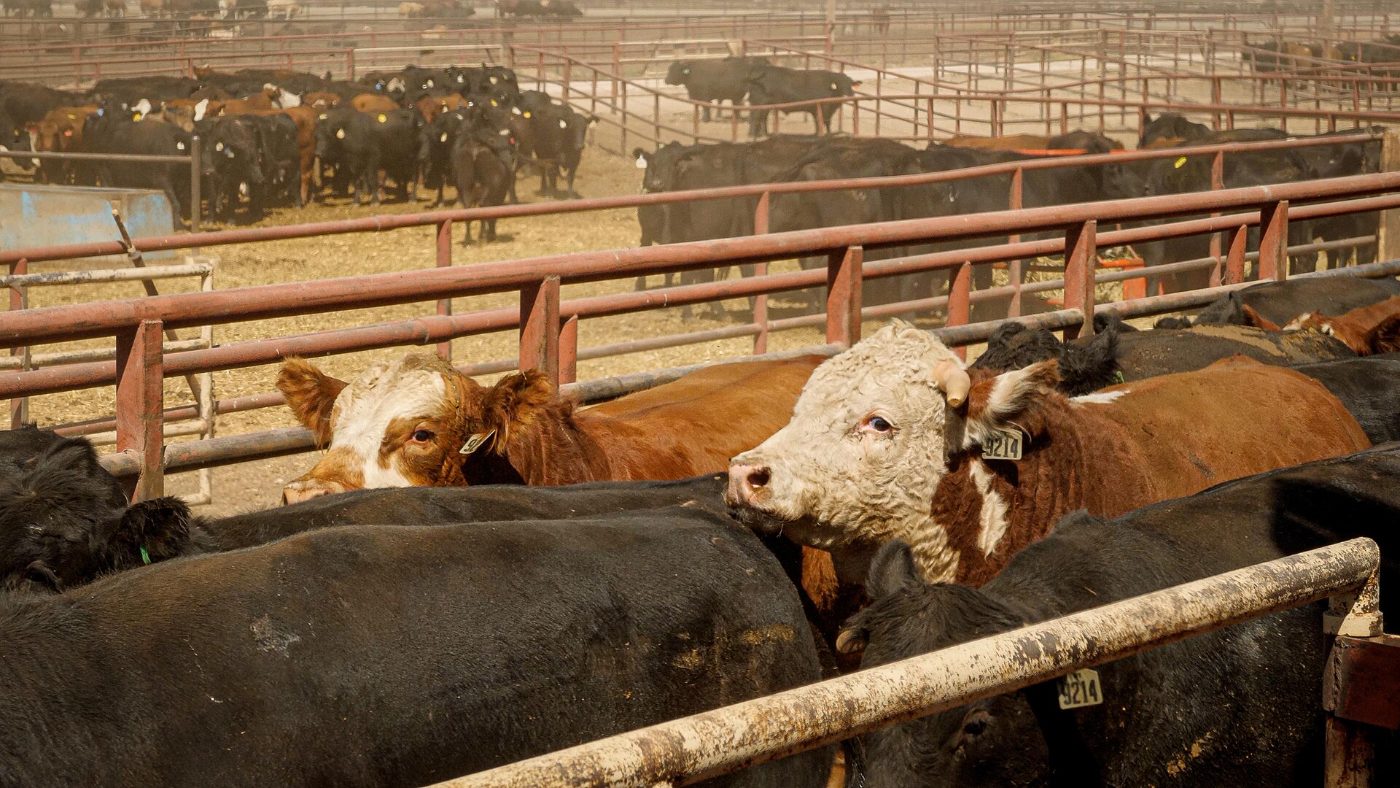
Lethbridge County has more cattle than any other municipality in Alberta. Here’s what a feedlot is, how big they get, how the cattle live, and who keeps watch over the manure and the smell.
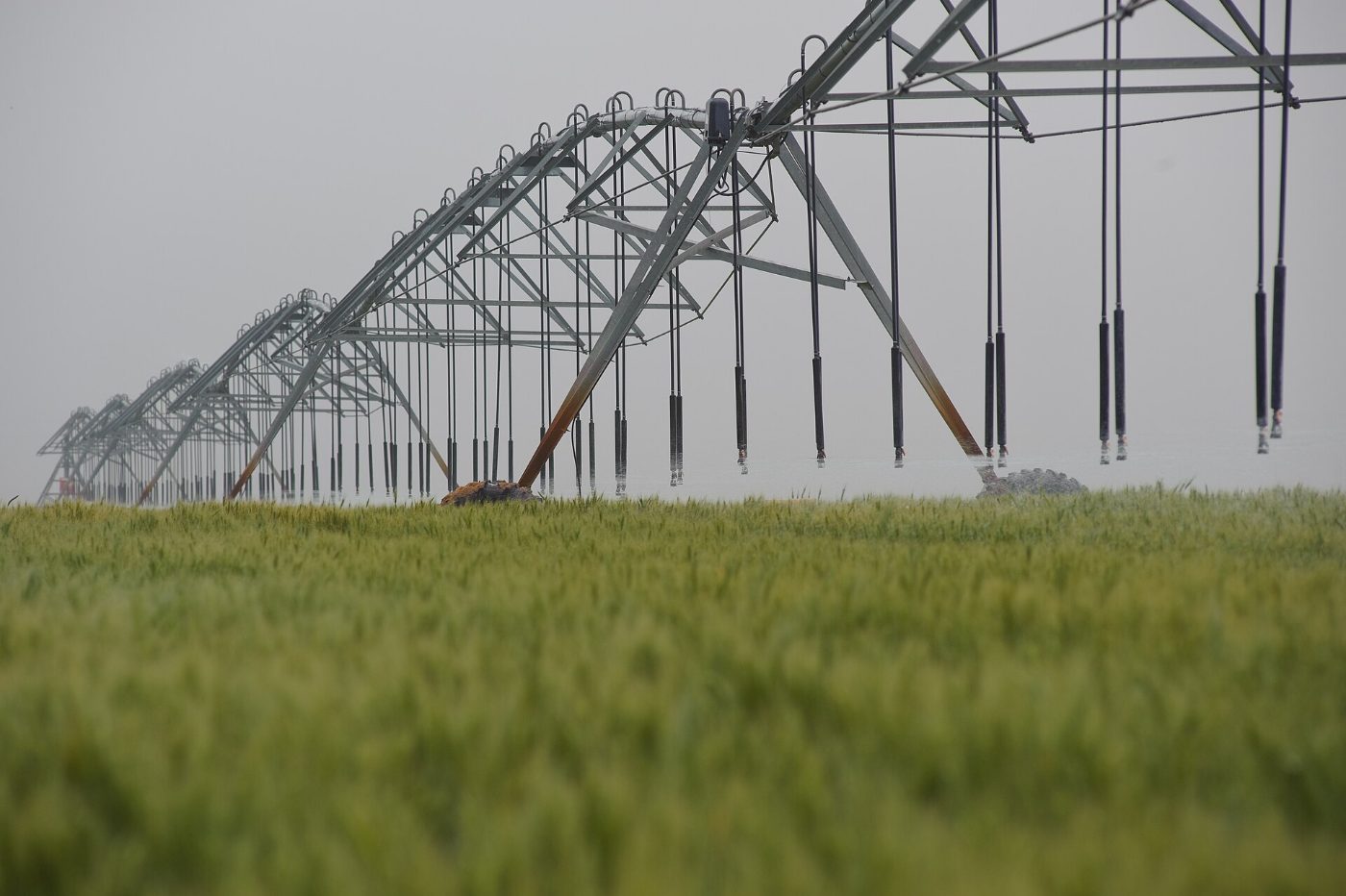
Lethbridge gets less than 400 mm of rain and snow a year, yet the fields around us grow potatoes, sugar beets and corn. The difference is more than a century of canals, reservoirs and centre pivots.