Bugs and insects: tiny wonders in your backyard
There are more kinds of insects than any other animal on Earth, and lots of them live right in your yard. Learn how to spot an insect, how they grow, and how to be a gentle bug explorer.
Is it an insect? Count the legs!
An insect has:
- 6 legs
- 3 body parts: head, thorax (middle) and abdomen (back end)
- 2 antennae for smelling and feeling
- Most have wings as adults
Spiders have 8 legs and only 2 body parts, so they’re not insects; they’re arachnids. Wood lice (pill bugs) have 14 legs and are actually related to crabs and lobsters!
How insects grow up
Complete metamorphosis (4 stages): egg, larva, pupa, adult. A caterpillar (larva) makes a chrysalis (pupa) and comes out a butterfly. Ladybugs, beetles, bees and flies grow this way.
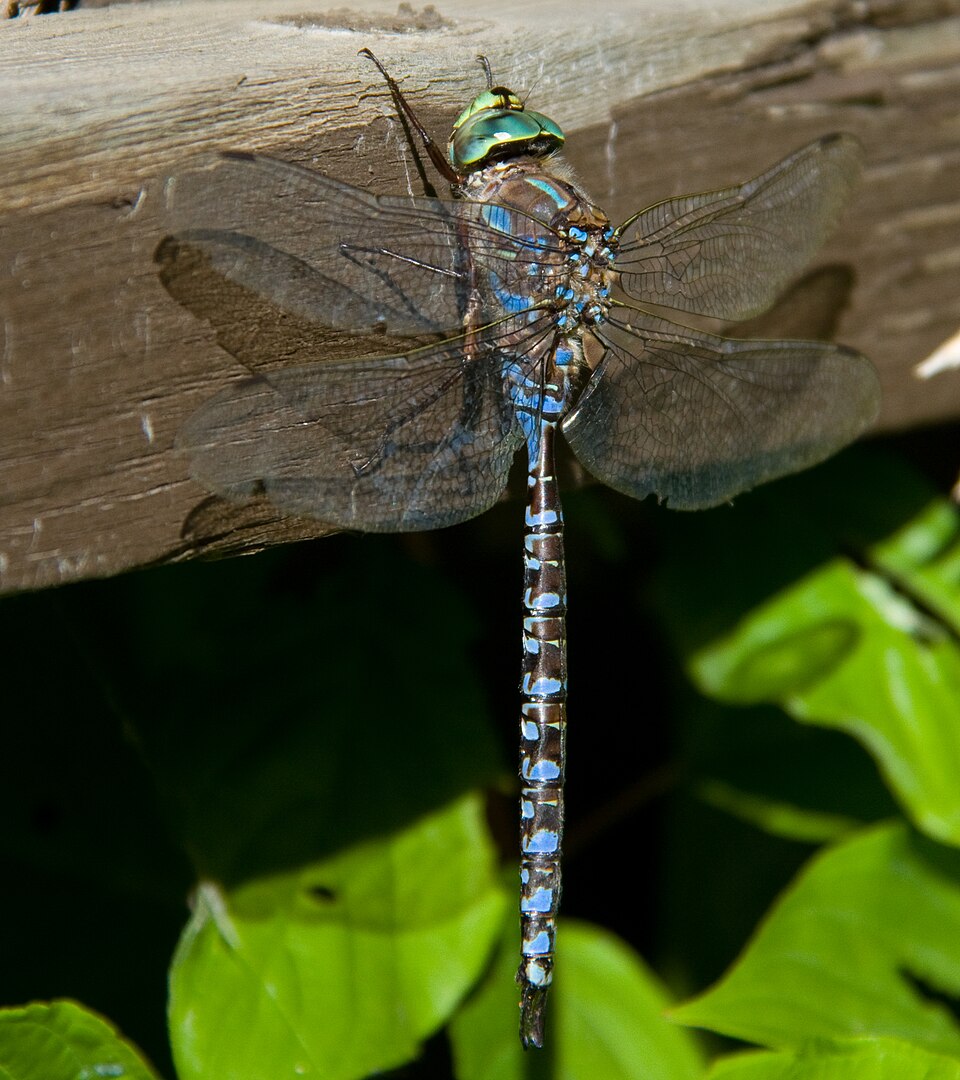
Incomplete metamorphosis (3 stages): egg, nymph, adult. A baby grasshopper looks like a small adult without wings, and grows by shedding its skin. Grasshoppers, crickets and dragonflies grow this way.
Bugs to look for around Lethbridge
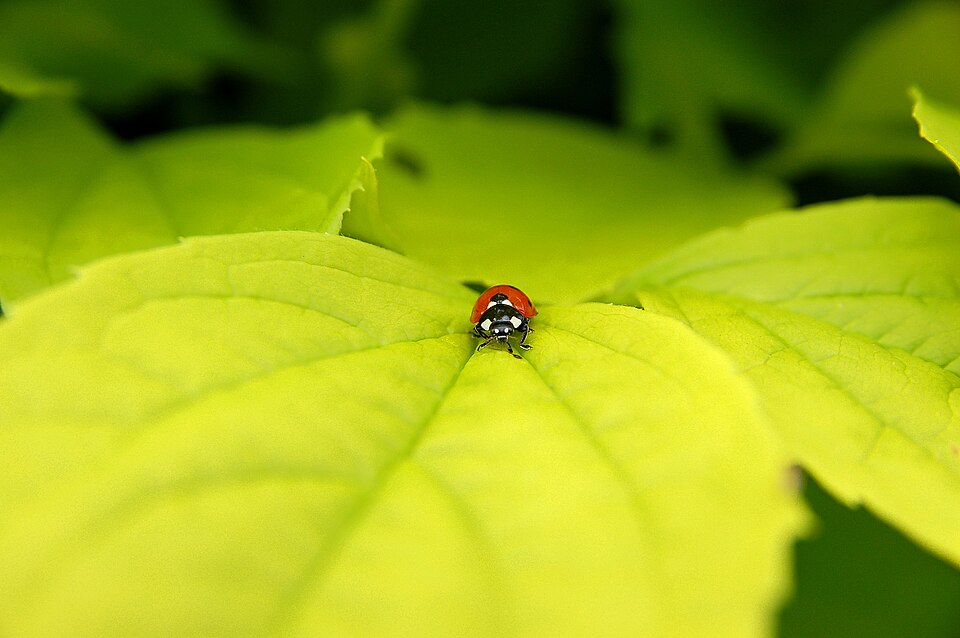
🐞 Ladybugs
Really called lady beetles. Gardeners love them because they eat aphids that hurt plants.
🦗 Grasshoppers
Listen for their clicking and buzzing on hot, dry summer days on the prairie.
🐝 Bees
Fuzzy bumble bees and honey bees carry pollen from flower to flower, helping plants make fruit and seeds. Alberta is one of Canada’s biggest honey-producing provinces.
🦋 Butterflies and moths
Butterflies fly by day and fold their wings up; moths mostly fly at night and rest with their wings flat.
🐉 Dragonflies
Look near the river and ponds. They catch mosquitoes in the air, and their babies live underwater.
🦗 Crickets
Count their chirps to find the temperature! See Weather Sayings.
Bugs and weather
Insects are cold-blooded, so the weather controls them. They slow down when it’s cool and get busy when it’s warm. Bees stay home in rain and strong wind. In winter, many insects survive as eggs or pupae, or hide under bark and leaves until spring. A warm chinook day in January can even wake a few up early!
✏ Try it yourself: be a bug explorer
- Bug hunt: look under rocks and logs (roll them toward you, then put them back gently), on flowers, and on tree bark. Use a magnifying glass.
- Bug journal: draw each bug, count its legs, and write where you found it and what the weather was like.
- Pitfall trap: bury a clean yogurt cup so its rim is level with the ground, with a flat stone propped above it as a roof against rain. Check it the next morning, and let everyone go.
- Grow a butterfly garden: plant native wildflowers and leave a few “messy” corners for insects to live in.
Where to see more bugs
- Helen Schuler Nature Centre, in the river valley in Lethbridge: exhibits on the animals that share our parks and backyards, and trails to explore. nature.lethbridge.ca
- Royal Alberta Museum Bug Gallery, Edmonton: live insects, spiders and other invertebrates from Alberta and around the world. royalalbertamuseum.ca
❓ Quick quiz
Guess first, then tap to see the answer.
How many legs does an insect have?
Six.
Is a spider an insect?
No. Spiders have 8 legs and 2 body parts; they are arachnids.
What are the 4 stages of complete metamorphosis?
Egg, larva, pupa, adult.
Why are bugs slow on a cold morning?
They’re cold-blooded, so their bodies are only as warm as the air around them.
🏫 For teachers and parents
- Ages: 4 to 12; links to Alberta grade 3 “Animal Life Cycles” science topics.
- Schoolyard bug survey: groups search a square metre of grass for 10 minutes and tally what they find. Repeat on a warm day and a cool day and compare, a great weather link.
- Raise butterflies or mealworms in class to watch metamorphosis over a few weeks.
- Respect for living things: all bugs go back where they were found.
- More ideas in the Teachers’ Corner.
More Earth Explorers
Sources: Royal Alberta Museum, Bug Gallery; City of Lethbridge, Helen Schuler Nature Centre.